Hidden Gems of Kyoto: A Cultural Weekend Escape
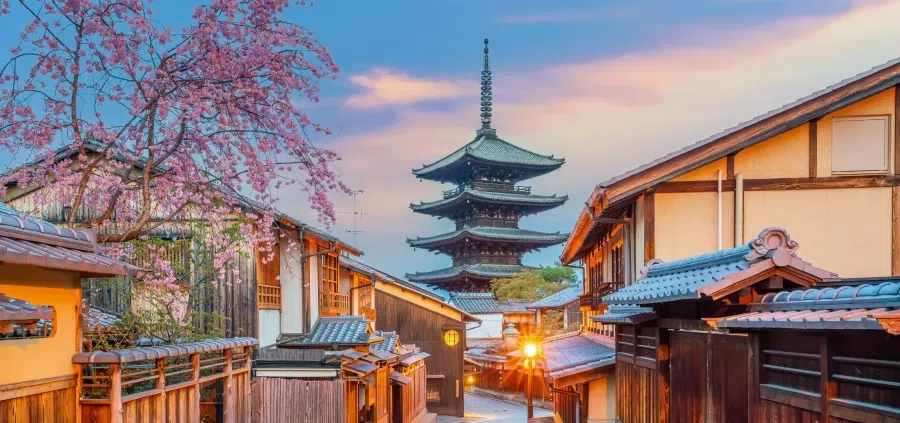
Hidden Gems of Kyoto: A Cultural Weekend Escape
Kyoto is the heart of traditional Japan—a city where ancient temples, quiet gardens, wooden streets, and timeless customs still shape everyday life. While many visitors come for the famous landmarks, Kyoto also hides countless lesser-known treasures waiting to be explored. If you’re looking for a peaceful and meaningful getaway, this cultural weekend escape will guide you through Kyoto’s hidden gems, where history, beauty, and serenity meet.
Why Visit Kyoto for a Weekend?
Kyoto offers the perfect balance of culture, relaxation, and discovery. Unlike busy modern cities, Kyoto moves at a gentler pace. Here, you can spend your mornings walking through bamboo forests, afternoons sipping matcha in a traditional tea house, and evenings wandering lantern-lit streets filled with history.
Even with just two or three days, Kyoto gives you a rich travel experience full of memorable moments.
Day 1: Temples, Nature & Quiet Beauty
Arashiyama Bamboo Grove
Start your weekend in the peaceful district of Arashiyama. Early morning is the best time to visit the famous bamboo grove, when sunlight filters through the tall green stalks and the pathways are calm and quiet. The sound of the wind moving through the bamboo creates a magical atmosphere.
Afterward, explore nearby hidden paths and local gardens that many tourists miss.
Otagi Nenbutsu-ji Temple
A short distance from Arashiyama lies one of Kyoto’s true hidden gems—Otagi Nenbutsu-ji Temple. This charming temple is home to over 1,000 unique stone statues, each with different facial expressions. Some smile, laugh, or even wear playful looks.
It’s peaceful, artistic, and unlike any other temple in Japan.
Lunch in a Traditional Café
Enjoy lunch at a small local café serving handmade soba noodles, seasonal vegetables, or Kyoto-style tofu dishes. Kyoto cuisine is known for its delicate flavors and elegant presentation.
Day 2: Old Streets, Tea Houses & Cultural Charm
Walk Through Gion District
Gion is Kyoto’s most famous geisha district, but beyond the main streets are quiet alleys lined with wooden machiya houses, hidden tea rooms, and peaceful temples.
Wake up early or visit in the evening to enjoy the area when it feels most magical. You may even spot a geiko or maiko gracefully walking to an appointment.
Kennin-ji Temple
Near Gion, Kennin-ji Temple offers calm gardens, Zen rock landscapes, and beautiful painted ceilings. It’s less crowded than many larger temples and perfect for quiet reflection.
Traditional Tea Experience
No trip to Kyoto is complete without enjoying matcha tea in a traditional tea house. Participate in a tea ceremony or simply relax with sweets and freshly prepared green tea while learning about this centuries-old tradition.
Day 3: Secret Spots & Local Experiences
Philosopher’s Path
This peaceful canal-side walking path is lined with cherry trees, small cafés, and temples. It’s especially beautiful in spring and autumn but lovely year-round.
Take your time, stop for photos, and enjoy Kyoto’s slower rhythm.
Nishiki Market Backstreets
While Nishiki Market is popular, the surrounding streets hold tiny shops selling handmade crafts, sweets, knives, and ceramics. It’s the perfect place to find authentic souvenirs and experience local life.
Evening Riverside Walk
End your Kyoto escape with a peaceful walk along the Kamo River. Locals gather here to relax, eat, and enjoy the sunset. It’s the perfect final memory of the city.
What to Eat in Kyoto
Kyoto is famous for refined and seasonal food. Try these local specialties:
- Yudofu (hot tofu dish)
- Matcha desserts
- Kaiseki multi-course meals
- Yatsuhashi sweet snacks
- Handmade soba noodles
- Fresh sushi and pickled vegetables
Best Time to Visit Kyoto
- Spring (March–April): Cherry blossoms and mild weather
- Autumn (October–November): Stunning red and orange leaves
- Summer: Festivals and vibrant energy
- Winter: Quiet temples and fewer crowds
Travel Tips for Kyoto
- Use buses, trains, or rent a bicycle
- Wake up early for peaceful sightseeing
- Respect temple etiquette and local customs
- Carry cash for smaller shops
- Wear comfortable walking shoes